Guides
How much a tree service business costs to open, and who lends for it
Opening a tree service costs from a few thousand dollars for hand tools to six figures with a bucket truck, and lenders price the risk differently.
What to take away
- Opening a tree service business costs $15,000 to $35,000 for a climbing-only start with a used pickup, hand saws, a chipper, climbing gear, insurance and licensing. A bucket truck or stump grinder can push the total past $100,000.
- Who lends for itSBA 7(a) through participating banks such as Live Oak Bank and Huntington National Bank. SBA Microloans flow through intermediaries such as Accion Opportunity Fund and PeopleFund. Equipment finance comes from Cat Financial, Deere Financial and Wells Fargo Equipment Finance.
- Lenders read what secures the loan. An SBA 7(a) guarantee needs a business plan and collateral; equipment finance uses the machine as collateral.
- Carry a cash reserve sized to the gap between payroll and the day the customer pays, not to the size of the job.
- Insurance, licensing and disposal fees arrive before the first invoice clears.
- Price first jobs to cover their own bad days, then check revenue per crew hour against the loan payment.
This article gives general business information, not arboricultural, safety, tax or legal advice. Licensing, pesticide rules, utility clearance and safety duties vary by jurisdiction, so confirm them with the relevant authority before accepting work.
What opening actually costs
No single national number exists, because the range is set by what you buy. In most U.S. markets, the figures below are typical planning bands for a one-crew owner, not quotes. Substitute your own supplier prices.
Lean start (used)
- Pickup or chip truck
- $8,000 to $20,000
- Chipper
- $6,000 to $15,000
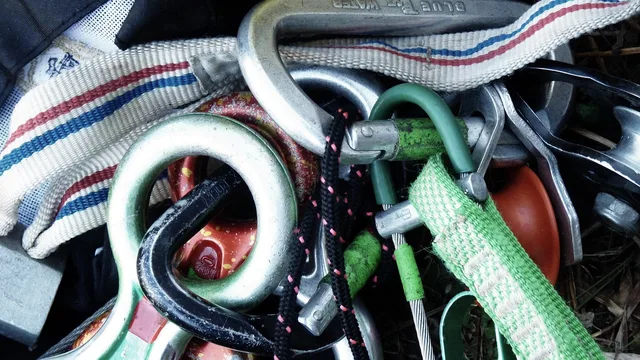
- Climbing and rigging kit
- $1,500 to $3,000
- Stump grinder
- rent per job
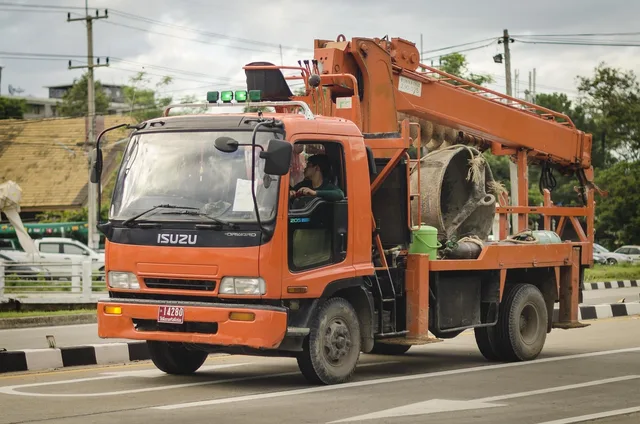
- Bucket truck
- skip at launch
- Insurance, first year
- $3,000 to $8,000
- Licensing, bonds, permits
- $500 to $2,500
- Working capital
- $5,000 to $15,000
Full start (new)
- Pickup or chip truck
- $45,000 to $70,000
- Chipper
- $30,000 to $55,000
- Climbing and rigging kit
- $3,000 to $6,000
- Stump grinder
- $20,000 to $40,000
- Bucket truck
- $60,000 to $150,000
- Insurance, first year
- $8,000 to $20,000
- Licensing, bonds, permits
- $2,500 to $6,000
- Working capital
- $25,000 to $60,000
A lean start lands near $15,000 to $35,000. A full start with a bucket truck and a grinder passes $100,000 before the first job. Used chippers from Bandit, Vermeer and Morbark are common search targets. Bucket trucks from Altec, Terex and Versalift are the other big-ticket search. The tree service equipment checklist for new owners itemizes that kit.
Working capital is the line owners get wrong. Payroll, fuel and dump fees leave the account weekly; a removal invoice may sit unpaid for thirty days. Multiply your weekly crew cost by the number of weeks between paying the crew and getting paid, and that product is your reserve.
Who lends for it
- SBA 7(a) loan.A U.S. Small Business Administration guarantee on a bank loan for equipment, working capital and startup costs. Participating banks include Live Oak Bank and Huntington National Bank. It suits an owner with a plan, collateral and trading history. Rates float with prime, and the SBA caps the maximum spread. Start at the SBA Business Guide.
- SBA Microloan.Smaller amounts through an intermediary lender, aimed at owners without bank-grade collateral. Intermediaries include Accion Opportunity Fund and PeopleFund. The maximum loan is $50,000. It suits a climbing-only start buying used gear. Rates and caps are set by the intermediary, often in the single digits to low teens.
- Equipment finance and leasing.The machine is collateral, so approval turns on its resale value and your credit. Lenders include Cat Financial, Deere Financial and Wells Fargo Equipment Finance. It suits a chipper or grinder purchase where you keep cash. Typical used-equipment rates run about 7% to 14% APR, quoted per deal.
- Dealer floorplan and manufacturer programs.Seasonal terms offered through the dealer on new equipment. Third-party lenders behind dealers for Vermeer, Bandit Industries and Morbark often provide these programs. It suits an owner buying new with a service history at that dealer. Rates, down payments and terms vary by dealer and model.
- Community development financial institutions.Mission lenders that underwrite the borrower as much as the balance sheet. Examples include Sunrise Banks, Hope Enterprise Corporation and Native American Bank. They suit owners in rural areas or with thin credit files. Rates vary, and some lend below market.
- Business credit cards and lines of credit.Fast, unsecured and expensive if carried. Examples include Chase Ink Business Cash, American Express Blue Business Cash and Capital One Spark Cash. They suit bridging a storm-response gap of a few weeks, not funding a truck. APRs commonly run 18% to 30% variable.
Your business structure and tax registration come before any of these. The IRS starting a business page covers the entity choice, the tax ID and recordkeeping.
Wage assumptions matter to a lender. The Bureau of Labor Statistics figures for tree trimmers and pruners give occupation and geographic wage estimates you can put in the payroll line.
What a lender reads first
A lender reads the assumptions before the total, which is why the sections in the tree service business plan matter more than a tidy spreadsheet. Show the loan payment, the insurance premium, the fuel and the crew wage per job, then show what is left.
Set the operating radius so mobilization, site visits and dump runs fit inside a day, and write the boundary down. A wide map with thin demand burns fuel and crew hours that the loan payment does not forgive. The market side of the same question sits in the tree service startup and market guide.
Territory Radius Checklist
- Mobilization time
- Site visits
- Supplier access
- Inspections
- Crew travel
- Emergency response
Worked example
A one-crew start buys a used chip truck for $14,000 and a used chipper for $9,000. It also buys climbing and rigging gear for $2,500. The first year of insurance and licensing costs $6,000. That is $31,500 before working capital.
The owner adds $9,000 of reserve, three weeks of crew cost, and borrows $40,000 on an equipment loan at a quoted rate.
The first month brings four removals at $1,800 each and six pruning jobs at $450 each, or $9,900.
Fuel, dump fees and wages take roughly two thirds of that, leaving about $3,300 toward the loan payment and the reserve.
If the payment plus insurance exceeds that margin for two months running, the answer is a smaller truck or a higher price, not a bigger loan. The order of these pieces appears in how to start a tree service business.
Common questions
How much cash do I need beyond the equipment?
Plan on three to eight weeks of crew wages, fuel and disposal fees in the bank before the first invoice clears. Multiply your weekly operating cost by the number of weeks between paying the crew and getting paid, and hold that figure.
Which lender suits a first-year owner with used equipment?
An SBA Microloan through an intermediary such as Accion Opportunity Fund, or a CDFI such as PeopleFund, because both underwrite the borrower and the plan rather than the resale value of a used machine. A bank equipment loan becomes easier once you have a year of trading history.
Do I need a bucket truck to start?
No. Climbing and rigging with a chipper covers most residential pruning and small removals, and it keeps the startup near $15,000 to $35,000. Add the truck when booked work will pay its loan payment every month, not before.
What do lenders want to see in the plan?
The loan payment, insurance, fuel and crew wage shown per job, with the margin left over. A lender reads those assumptions before the total, so the numbers have to survive a slow month.