Guides
Tree service equipment: what to buy first
Tree service equipment purchases should start with a chipper and climbing kit before a bucket truck, since early jobs rarely need an aerial lift.
What to take away
- Buy in the order the work arrivesclimbing kit and two saws first, a 6-inch drum chipper second, a walk-behind stump grinder third, a lift last.
- A used chipper with service records and a recent knife change beats a new one financed against work you have not booked.
- Add 10 to 20 percent to the sticker for freight, spare knives or teeth, tie-downs and training hours.
- Rent a towable lift at $300 to $500 a day until lift work is a steady share of booked revenue.
- Confirm ANSI Z133, the machine manual, and your state towing, CDL and sales tax rules before you collect anything.
Buy in the order the jobs arrive
Most new owners finance the largest machine they can. The work rarely arrives in that order. Buy what your next twenty quotes need, then let booked revenue pay for the next tier.
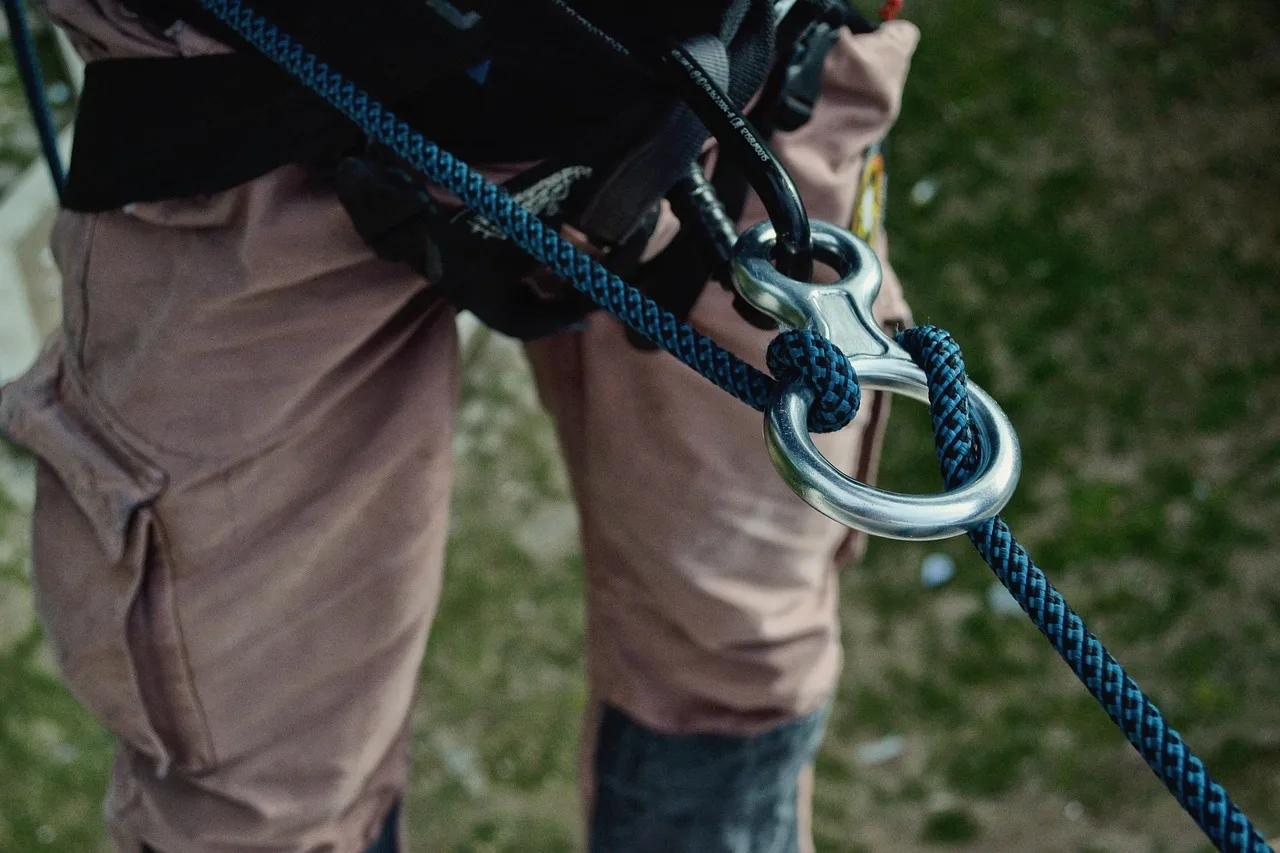
- Climbing kit and two saws. A Petzl Sequoia SRT harness (about $300), a 150-foot line, a friction device such as the Petzl Zigzag (about $275) and a lanyard cover pruning and small dismantles.
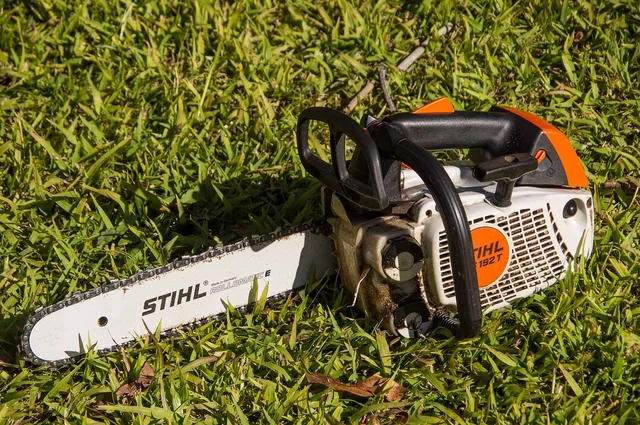
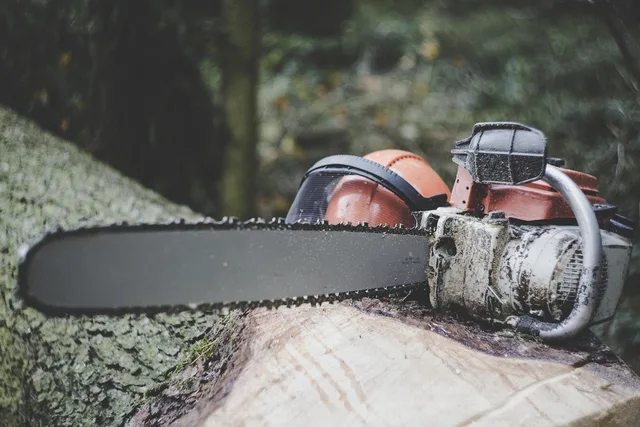
- A 50cc saw with a 20-inch bar and a top-handle saw. The Stihl MS 261 C-M and the Husqvarna 550 XP Mark II typically cost $600 to $800. A Stihl MS 194 T runs $400 to $600.
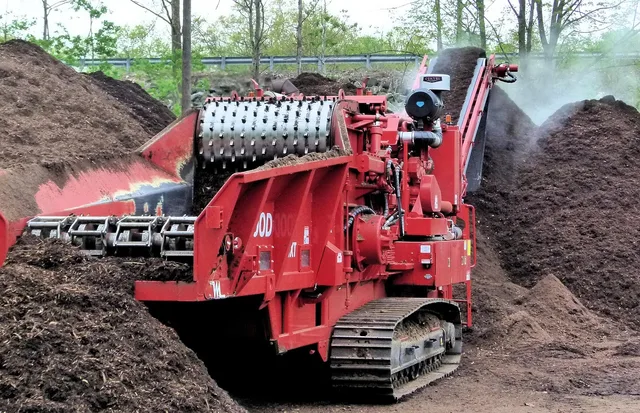
- A 6-inch drum chipper. Brush disposal turns a pruning job into a paid day. The Vermeer BC700XL and the Bandit 65XP tow behind a half-ton pickup. New units typically run $25,000 to $35,000, used ones with records $9,000 to $18,000.
- A walk-behind stump grinder. Grinding sells as an add-on to a removal. The Rayco RG13 (13 hp) and the Vermeer SC252 (27 hp) cover most residential stumps. New prices typically run $14,000 to $30,000, used $6,000 to $15,000.
- A lift, rented before it is bought. The Niftylift 120T and the Genie TZ-50 usually rent for $300 to $500 a day. A used bucket truck on an Altec or Versalift body typically starts near $35,000.
The starter kit breaks into four parts, and the four parts of tree service equipment, explained works through each component before you order.
Starter equipment costs at a glance
| Priority | Item | New or used | Typical price |
|---|---|---|---|
| 1 | Climbing kit: Petzl Sequoia SRT, 150-foot line, Petzl Zigzag, lanyard | New rope and harness | About $800 to $1,300 |
| 2 | Saws: Stihl MS 261 C-M, Husqvarna 550 XP Mark II, Stihl MS 194 T | Used is fine | $400 to $800 each |
| 3 | 6-inch drum chipper: Vermeer BC700XL, Bandit 65XP | Used, with records | $9,000 to $18,000 used, $25,000 to $35,000 new |
| 4 | Walk-behind grinder: Rayco RG13, Vermeer SC252 | Used, check teeth | $6,000 to $15,000 used, $14,000 to $30,000 new |
| 5 | Lift: Niftylift 120T or Genie TZ-50 rental, or a used Altec or Versalift truck | Rent first | $300 to $500 a day, truck from about $35,000 |
Buying used without buying trouble
Ask for the hour meter reading, the date of the last knife change, and any hydraulic repairs. A chipper with a written service history is worth more than a newer one without.
A cold start and a compression check tell you more about a used saw than a seller's description. Grinder teeth worn back to the shank mean an expensive first week.
Weigh what depreciation saves against what downtime costs on used against new before you commit.
Freight, spares and the costs after the sticker
The sticker is one line. Freight on a 6-inch chipper commonly runs $500 to $1,500 by distance. A set of chipper knives costs about $250 to $500. Grinder teeth run $15 to $30 each, and tie-downs and chains $150 to $400.
Add 10 to 20 percent for those items and for the hours your crew spends learning the machine. Cross-check your crew rate against the U.S. Bureau of Labor Statistics: Tree Trimmers and Pruners wage data before you set a day rate.
Towing, tax and license thresholds
A 6-inch chipper on a trailer often passes 3,000 pounds. Many states require trailer brakes at that weight, so check the brake paperwork and the title before you buy.
Federal rules require a CDL at 26,001 pounds gross combination weight, and a half-ton pickup with a 6-inch chipper usually stays under that. A commercial vehicle over 10,001 pounds in interstate commerce needs a USDOT number.
Before you collect, confirm three things:
- Sales tax or use tax with your state department of revenue.
- Trailer weight, brakes and hitch rating against your truck's rating.
- Whether the machine has to be scheduled on your policy. Insurance costs and coverage explains what carriers ask for before they add a trailer.
Where the safety rules come from
In the United States, ANSI Z133 covers arboricultural operations and ANSI A300 covers pruning practice. The manufacturer's manual governs operation and maintenance for your machine. Canadian readers follow CSA Z133 and their provincial labour ministry instead.
The Occupational Safety and Health Administration: Tree Care Industry Standards page maps tree work to general-industry rules for records, walking and working surfaces, aerial lifts, protective equipment and first aid. It also links hazard-recognition resources for new crews.
Work near energized conductors is its own category. OSHA 1910.269 sets minimum approach distances and training duties for line-clearance tree trimming.
Some states run their own OSHA-approved plans that go beyond the federal floor, so check your state labor agency. Those plans can add recordkeeping and training duties. For a permit on a street tree, ask the local permit office.
Climbing, rigging and felling technique belongs with a certified arborist trainer. Tree service hiring and training covers what a crew must be shown before it touches a saw.