Guides
How climate shapes arborist pruning work in Canada
Arborist pruning work in Canada shifts with coastal rain, prairie cold, chinooks and northern access limits. A regional look at how crews plan around weather.
What to take away
- Arborist pruning in Canada is governed by frost dates, not the calendar alone, so the same species can be cut in February in Victoria and May in Yellowknife.
- Coastal British Columbia allows year-round work, but heavy rain and mild winters change wound care and fungal risk.
- Prairie crews in Saskatchewan and Manitoba must plan around cold snaps that can arrive in October and linger into April.
- Alberta chinooks create freeze-thaw cycles that make late-winter pruning cuts risky for many species.
- Northern limits in Yukon, Northwest Territories and Nunavut mean a short dormant window and no margin for error.
- A region-by-region view of weather and frost patterns helps dispatchers assign crews and equipment without guessing.
How frost dates and growing zones set pruning windows
Frost dates are the bookends of the pruning year. In most of Canada, the safest window for structural pruning on living trees opens after the hardest frost has passed and closes before bud break. That is dormant pruning, and it avoids the sap loss and insect attraction that come with cuts made in active growth.
Norway Maple Pruning by Zone
Zone 7 (S. Ontario)
- Pruning window
- Late February
- Frost risk
- Low
- Bud break
- Early
Zone 2 (N. Alberta)
- Pruning window
- Late April
- Frost risk
- High
- Bud break
- Late
Growing zones shift those bookends. The same Norway maple might be pruned in late February in zone 7 parts of southern Ontario and in late April in zone 2 parts of northern Alberta. An arborist pruning schedule that ignores zone differences will send crews out too early in one region and too late in another.
Frost dates by region are the first data point. Environment Canada publishes last-spring-frost and first-fall-frost normals for hundreds of stations. Use the station closest to your work area, not the provincial capital.
Species matter too. Maples and birches bleed heavily if cut in late winter or early spring. Oaks are best pruned in the dormant season to reduce the risk of oak wilt, which is present in parts of Ontario and Quebec. Elms need care because Dutch elm disease vectors are active in warmer months.
The Canadian Food Inspection Agency regulates the movement of certain plant pests and can restrict pruning timing in regulated areas. The emerald ash borer rules are a good example: ash pruning in regulated zones is often restricted to the dormant season to avoid spreading the beetle.
Equipment planning follows the same logic. Chippers, aerial lifts and climbing gear need to be ready before the window opens. If you run crews across zones, stagger start dates so the same lift is not needed in two provinces at once.
A quality assurance checklist helps standardise cut quality when crews move between regions with different species and weather.
Coastal British Columbia: rain, mild winters and year-round pruning
Coastal British Columbia is the outlier. Winters are mild, frost is rare at low elevation, and many species can be pruned in almost any month. That does not mean the work is easy. Rain is the constant, and wet conditions change both safety and tree response.
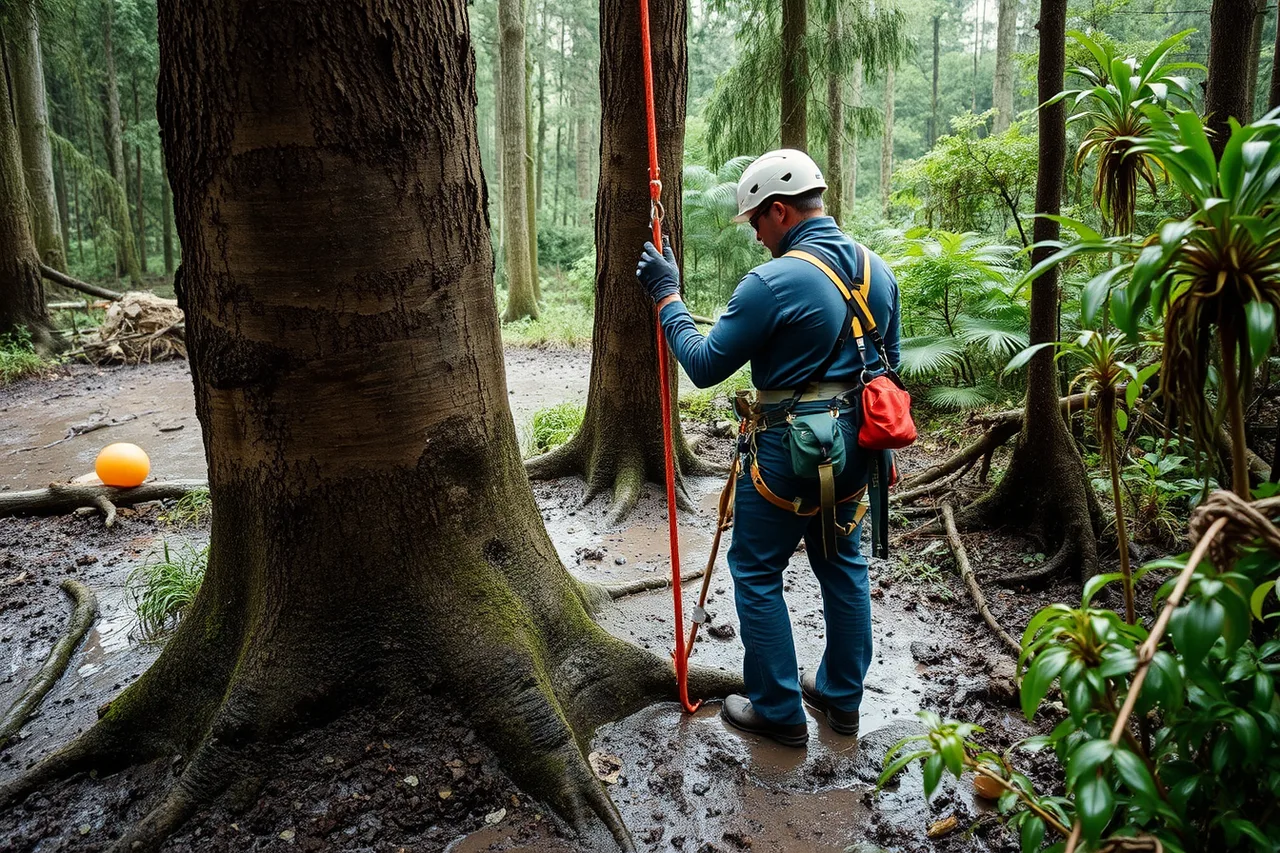
Heavy rain saturates soils, which increases the risk of root plate failure on shallow-rooted species. Crews working on the coast should check soil moisture before rigging anchors. Saturated ground also makes access roads and lawns vulnerable to damage from trucks and chippers.
Fungal diseases spread more easily in wet conditions. Cuts made in cool, wet weather can be colonised by wound pathogens before callus tissue forms. Coastal arborists often time larger pruning cuts for drier stretches in late spring or early summer.
Rain also affects visibility and footing. Aerial work in steady rain is slower and more hazardous. Many coastal companies build rain days into their schedules rather than treating them as lost time.
Environmental regulations shape where and when work can happen. The Environmental protection and sustainability framework in British Columbia includes riparian and wildlife protections that can restrict pruning near watercourses or during nesting season.
Municipal tree protection bylaws add another layer. The City of Vancouver and other coastal municipalities require permits for work on protected trees, and permits often specify timing. An arborist pruning schedule on the coast is as much about permits and weather as it is about tree biology.
Year-round pruning does not mean year-round structural work. Light clearance and deadwood removal can happen in most months. Major crown reduction or structural pruning is still best in the dormant or early growth periods, when the tree can respond.
Prairie pruning: Saskatchewan and Manitoba cold snaps
The prairies have the opposite problem. The dormant season is long and cold, and the risk is not waking a tree too early but working in temperatures that make wood brittle and wounds slow to seal.
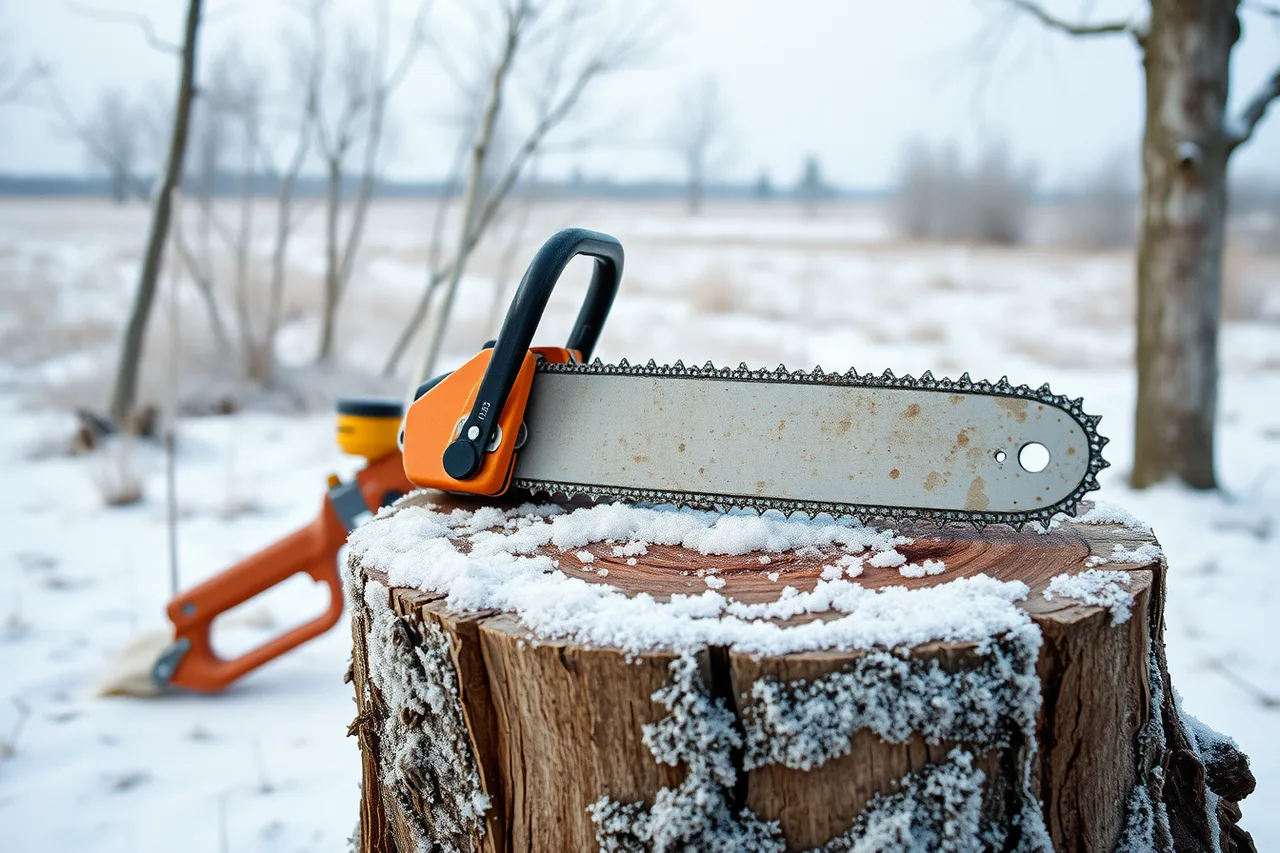
Saskatchewan and Manitoba cold snaps can arrive in October and stay into April. Pruning cuts made in deep cold can shatter wood fibres rather than cut cleanly, especially on species with brittle wood. Crews should stop structural pruning when temperatures drop below the point where chainsaws and handsaws start tearing rather than cutting.
Dormant pruning windows on the prairies are often narrow. Late winter, when the worst cold has passed but buds have not swollen, is the sweet spot. That might be a few weeks in March or early April, depending on the year.
Wind is a factor. Prairie winds dry out pruning wounds and can cause dieback on the exposed side of a cut. Proper cut placement, just outside the branch collar, matters more in these conditions.
Natural resource and agricultural policy context matters for larger projects. The Agriculture, Natural Resources and Industry information from the Government of Saskatchewan covers land use and resource rules that can affect work on shelterbelts and farm trees.
Manitoba has similar cold patterns, with the added complication of flooding in some river valleys. Saturated or frozen ground can limit access for heavy equipment. Plan equipment moves around frost depth and thaw.
Shelterbelt pruning is a prairie specialty. These rows of trees protect soil and livestock, and they need periodic pruning to stay functional. Timing is usually late winter, before buds break but after the risk of extreme cold has passed.
Alberta chinooks and the freeze-thaw problem for pruning cuts
Alberta chinooks are warm, dry winds that can raise temperatures by twenty degrees or more in a few hours. They feel like a gift in January. For tree wounds, they are a problem.
Chinook Pruning Decision
Is a chinook forecast?
Schedule removals, chipping, or equipment maintenance
Proceed with structural pruning
A pruning cut made during a chinook can be exposed to warm temperatures that encourage cell activity, then frozen again when the chinook ends. That freeze-thaw cycle damages the callus tissue trying to seal the wound. The result is slower closure and more opportunity for decay.
The practical rule is to avoid major pruning cuts during chinook events. Watch the forecast. If a chinook is coming, schedule removals, chipping or equipment maintenance instead of structural pruning.
Chinooks also affect soil and access. Rapid melt can turn frozen ground to mud, which limits where trucks and lifts can go. Crews working in foothills areas should have a plan for soft ground.
Southern Alberta species like aspen and poplar are particularly vulnerable to freeze-thaw damage on pruning wounds. They are also prone to sunscald, which chinooks can worsen. Pruning that opens the canopy on the south side can increase sunscald risk.
Alberta has its own safety and workers' compensation framework. Alberta WCB requirements apply to arborist crews, and the provincial OHS code sets rules for work at height and near power lines. Scheduling should account for these rules, not just the weather.
Late winter is still the best time for most structural pruning in Alberta, but the window is defined as much by chinook timing as by frost dates. A set of operating standards reviewed can help crews make consistent decisions when conditions change quickly.
Ontario and Quebec: dormancy pruning between freeze and bud break
Ontario and Quebec have the largest concentration of arborist work in Canada. The window here is classic dormant pruning: after the hardest freeze and before bud break. That usually means late winter to early spring.
Ontario and Quebec Dormant Pruning
- Late FebruaryStart southern Ontario pruning
- MarchBegin northern Ontario and Quebec work
- Early AprilFinish before bud break
- April onwardShift to hazard removal and storm damage
Southern Ontario, around Toronto and the Niagara Peninsula, is milder. Pruning can start earlier and extend later. Northern Ontario, around Sudbury and Thunder Bay, follows a prairie-like pattern with a shorter window.
Quebec has similar variation. The St. Lawrence lowlands are milder, while the Laurentians and the Gaspé are colder and snowier. Snow load can break limbs, and storm damage may need immediate attention outside the dormant window.
Pest timing is critical in both provinces. Emerald ash borer is established in much of southern Ontario and Quebec, and ash pruning is restricted in regulated areas. Oak wilt is a concern in some regions, so oak pruning is best done in the dormant season.
Quebec's natural resource rules affect work on public land and near water. The Agriculture, environment and natural resources information from the Gouvernement du Québec outlines the framework that can apply to tree work on provincial land.
Municipal bylaws are strict in cities like Toronto and Montreal. Private tree permits are often required, and permits may specify timing or species restrictions. Arborists should build permit lead time into the schedule.
Bud break is the hard stop. Once buds open, the tree is investing energy in new growth, and pruning cuts can divert that energy. For most species, finish structural pruning before bud break and reserve the growing season for corrective or hazard work.
Atlantic Canada: salt wind, wet springs and storm-damaged limbs
Atlantic Canada has a maritime climate with mild winters and wet springs. Frost dates are later than you might expect, and salt wind is a constant stressor for coastal trees.
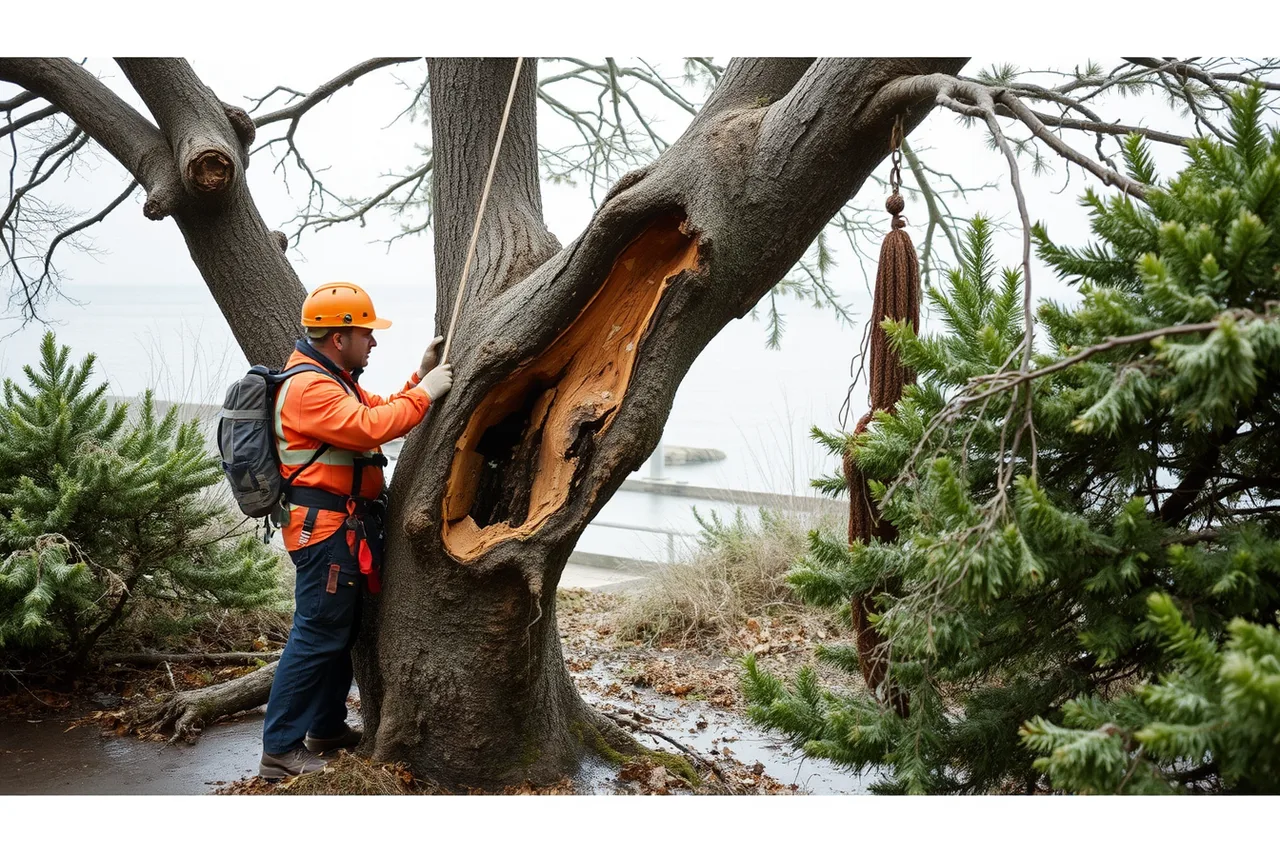
Nova Scotia, New Brunswick, Prince Edward Island and Newfoundland and Labrador all get significant storm activity. Hurricanes and post-tropical storms can cause major limb failure, often outside any planned pruning window. Storm response is a big part of the work here.
Salt wind desiccates buds and twigs, especially on the windward side of trees. Pruning to remove salt-damaged wood is often done in late winter or early spring, before new growth starts.
Wet springs mean saturated soils and delayed access. Crews may need to wait for ground to firm up before bringing in heavy equipment. Pruning timing often shifts to late spring or early summer for this reason.
Species selection matters. Salt-tolerant species like spruce and some pines handle coastal conditions better. Pruning should aim to maintain structure and remove deadwood rather than push new growth that will be burned by salt.
Storm-damaged limbs are a safety issue. Hangers and split crotches should be removed promptly, regardless of season. The risk of working near damaged trees is high, so crews need to assess before cutting.
Atlantic Canada also has its own regulatory context. Provincial workers' compensation boards and OHS rules apply, and municipal tree bylaws vary by town. Scheduling should include time for permits and for post-storm emergency work.
Northern Canada: Yukon, Northwest Territories and Nunavut limits
Northern Canada is the most constrained region for pruning. Yukon, Northwest Territories and Nunavut have short growing seasons, extreme cold and limited access.
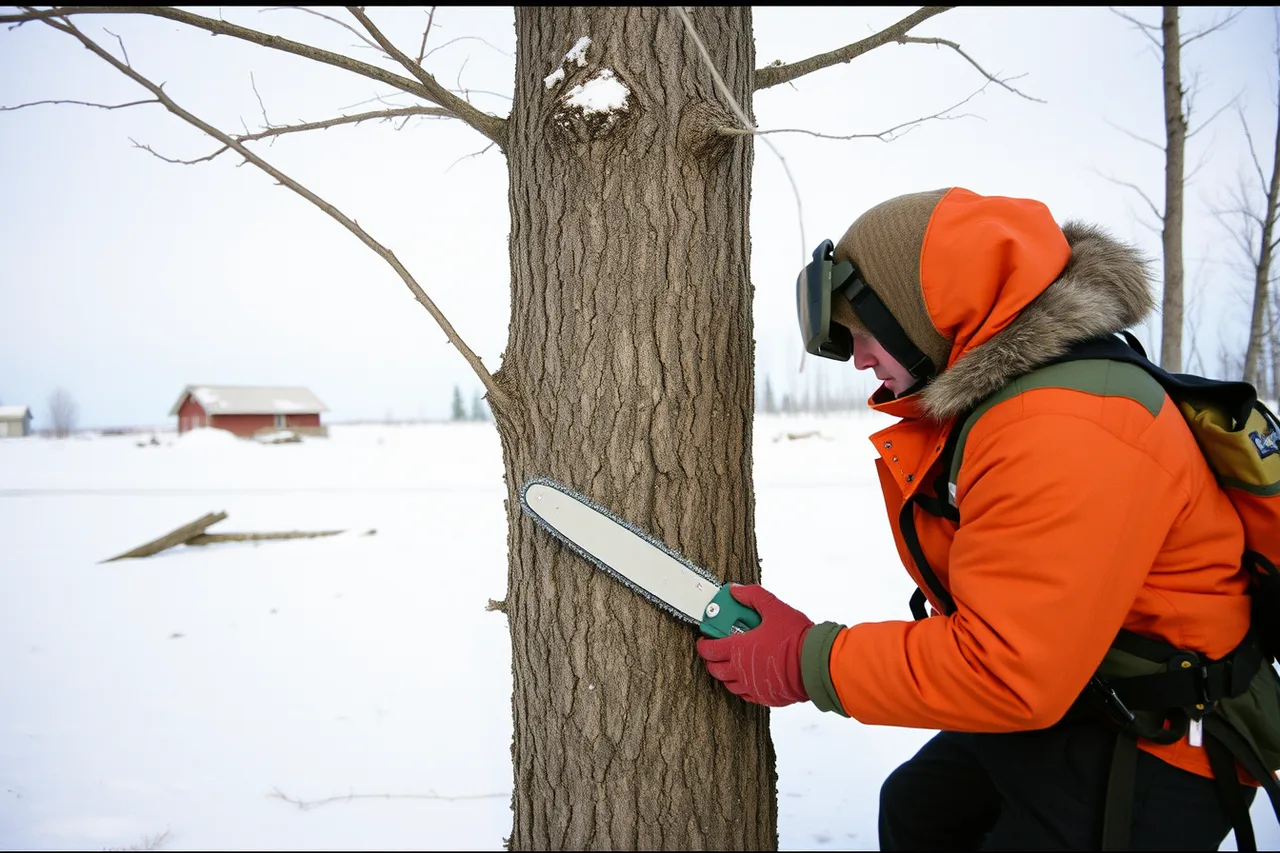
Frost dates in the North are late and bud break is quick. The dormant window can be as short as a few weeks in late winter or early spring. Outside that window, trees are either frozen solid or in active growth.
Extreme cold makes wood brittle and wounds slow to seal. Pruning at temperatures well below freezing can cause shattering and dieback. Crews should work only when temperatures are within a safe range and the forecast is stable.
Access is a major limit. Many communities are fly-in or reachable only by winter road. Equipment has to be brought in during the winter road season, which may not align with the pruning window. Planning is often done a year ahead.
Northern tree species are slow-growing and long-lived. They do not tolerate heavy pruning well. Work should be limited to hazard removal, deadwood and light structural correction.
Indigenous land rights and land claim agreements affect where work can happen. Permits may be required from territorial governments or Indigenous governments. Arborists working in the North should confirm jurisdiction before scheduling.
Pest and disease pressure is lower in the North, but invasive species are a growing concern as the climate warms. Monitoring and early detection matter more than routine pruning.
Scheduling arborist pruning work across the regions
Regional patterns are guides, not rules. Always check local frost dates and the current forecast, and confirm any local permits, before crews are dispatched.
Province-by-Province Pruning Windows
Region
- Coastal BC
- November to March
- Prairie (SK, MB)
- March to early April
- Alberta
- Late February to early April
- Ontario
- Late February to early April
- Quebec
- Late February to early April
- Atlantic Canada
- March to April
- Northern Canada
- April to May
Typical dormant window
- Coastal BC
- Rain, soil saturation
- Prairie (SK, MB)
- Cold snaps, brittle wood
- Alberta
- Chinooks, freeze-thaw
- Ontario
- Bud break, pest rules
- Quebec
- Snow load, pest rules
- Atlantic Canada
- Wet springs, salt wind
- Northern Canada
- Extreme cold, access
Key constraint
- Coastal BC
- Prairie (SK, MB)
- Alberta
- Ontario
- Quebec
- Atlantic Canada
- Northern Canada
Here is a worked example for a mid-sized company operating in Ontario and Alberta.
Province-by-province pruning calendar
- In January, check frost date normals and last year's crew performance. Identify which species need dormant pruning and which can wait.
- In February, start Ontario work in the south, focusing on species that break bud early. Hold Alberta work until the chinook pattern is clear.
- In March, move Alberta crews into the field as the chinook risk drops. Keep an eye on forecasts for late cold snaps.
- In April, finish dormant pruning in both provinces before bud break. Shift to hazard removal and storm response.
- In May, review what worked. Adjust next year's schedule based on actual frost dates and crew feedback.
Equipment planning follows the calendar. Aerial lifts and chippers are in highest demand during the dormant window. If you work in multiple provinces, stagger start dates to avoid equipment conflicts. Consider tree service expansion only if you can support the equipment and crew demands of a longer season.
Labour is another constraint. The Temporary Foreign Worker Program through Employment and Social Development Canada can help fill seasonal gaps, but applications take time. Start early if you need workers for the dormant window.
Business requirements are consistent across provinces. You need a CRA business number, GST/HST registration where applicable, and payroll remittance. Provincial workers' compensation coverage is mandatory, whether through WSIB in Ontario, WorkSafeBC, or Alberta WCB.
The Canadian Standards Association Z133 safety standard for arboricultural operations is the baseline for safe work. Provincial OHS acts, such as Ontario's OHSA and BC's OHS Regulation, set the legal requirements. Insurance Bureau of Canada and provincial rules require commercial liability coverage.
Statistics Canada tracks the industry under NAICS 561730, landscaping and tree services. That data can help you benchmark your business against regional trends. For a broader view of where demand is heading, see our roundup of the tree service software options reviewed on daily use.
Choosing where to operate is a strategic decision. Some regions have longer windows and more competition. Others have shorter windows but less competition. A guide to markets for tree service can help you weigh the trade-offs.